

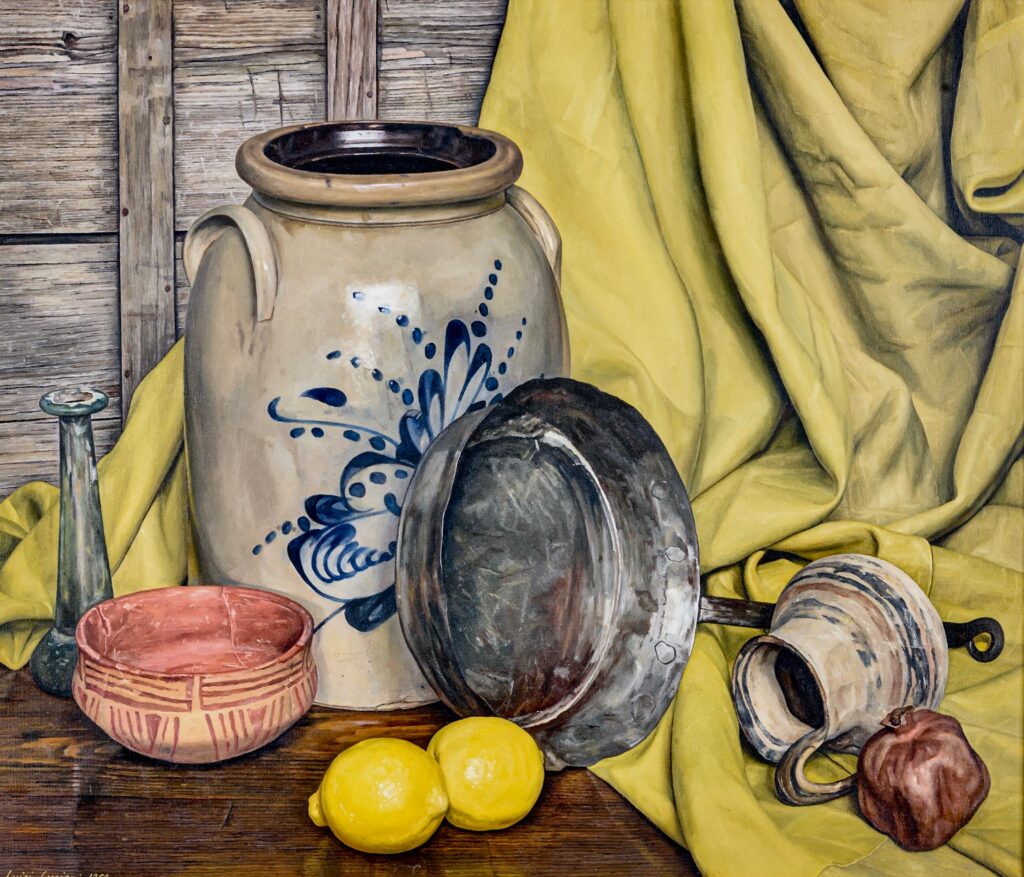
Luigi Lucioni (1900-1988), Still Life with Stoneware Crock and Skillet, 1969, oil on canvas, 23 x 27 in. Huntsville Museum of Art, Museum Purchase with funds provided by Cynthia and Rey Almodovar, 2019.11 © Artist’s Estate
American Art Galleries
March 2026 – January 2027
On view in the Huth, Boeing, Salmon and Haws Galleries
Overview
Spanning nearly 250 years of artistic expression, the American art galleries explore how artists have interpreted the nation’s history, culture, and identity from the early republic to the present day. Featuring artworks from the museum’s permanent collection—including works by Thomas Hart Benton, Milton Avery, Lilla Cabot Perry, Claes Oldenburg, and other influential artists—these galleries reveal the many ways artists have responded to the American experience.
The presentation is further enriched by important loans from institutions including the Toledo Museum of Art, the Art Bridges Foundation, and the DeMell Jacobsen Foundation.
As the United States celebrates the 250th anniversary of the signing of the Declaration of Independence, these galleries offer an opportunity to reflect on the evolving story of American art. Across generations, artists have documented the people, places, and ideas that have shaped the nation while also questioning and expanding the narratives that define it.
Organized into thematic sections, the galleries examine how artists have depicted the American experience in all its complexity. From early portraiture and sweeping landscapes to the bold experiments of modern and contemporary art, the works on view reveal how artistic styles, ideas, and perspectives have evolved over time.
Face to Face: Portraiture in American Art
(Huth Gallery)
Portraiture has played a central role in American art since the nation’s earliest years. These works explore how artists have represented identity, status, and individuality across generations.
Telling Tales: Scenes of American Life
(Huth Gallery)
In the nineteenth century, many artists turned to genre painting—narrative scenes that capture moments of everyday life. Whether sentimental, humorous, or reflective, these images portray the customs, values, and social dynamics of their time.
The Evolving American Landscape
(Huth Gallery)
Landscape painting became a defining feature of American art in the nineteenth century as artists turned their attention to the nation’s vast natural scenery. From the sweeping vistas associated with the Hudson River School to the quiet, atmospheric scenes of Tonalism, these works reflect changing ideas about nature, national identity, and the American relationship to the land.
American Impressionism and Its Origins
(Boeing Gallery)
Inspired by the innovations of French Impressionism, American artists embraced luminous color and expressive brushwork to capture fleeting effects of light and atmosphere. At the same time, the influence of Japanese art introduced new compositional ideas that reshaped Western artistic traditions. Together, these influences helped shape a distinctly American approach to painting.
The Modern City
(Boeing Gallery)
As cities grew in the late nineteenth and early twentieth centuries, artists increasingly turned their attention to urban life. These works capture the energy of modern streets, public spaces, and changing social roles, including the expanding presence of women in public life.
This American Life
(Salmon Gallery)
In the wake of the Great Depression, artists of the 1930s and ’40s sought to capture the resilience and determination of the American people. Many focused on scenes of everyday life, portraying farmers, workers, and communities across the country.
The Rise of American Modernism
(Salmon Gallery)
During the early twentieth century, artists began experimenting with bold new ideas inspired by European avant-garde movements such as Cubism and Surrealism. Rejecting traditional realism, they explored abstraction, symbolism, and innovative forms of expression, helping establish the United States as an important center of modern art.
The Artist at Work
(Salmon Gallery)
These works offer a glimpse into the creative process itself. Through self-portraits, studio scenes, and images of artists at leisure, they reveal the spaces, tools, and moments that shape artistic practice.
New Forms, New Freedoms
(Salmon Gallery)
By the mid-twentieth century, abstraction transformed American art. Movements such as Abstract Expressionism, Pop Art, Minimalism, and Conceptual Art challenged traditional ideas about form, meaning, and artistic purpose. These works reflect the shifting cultural landscape of postwar America while demonstrating the continued evolution of artistic language.
Gallery
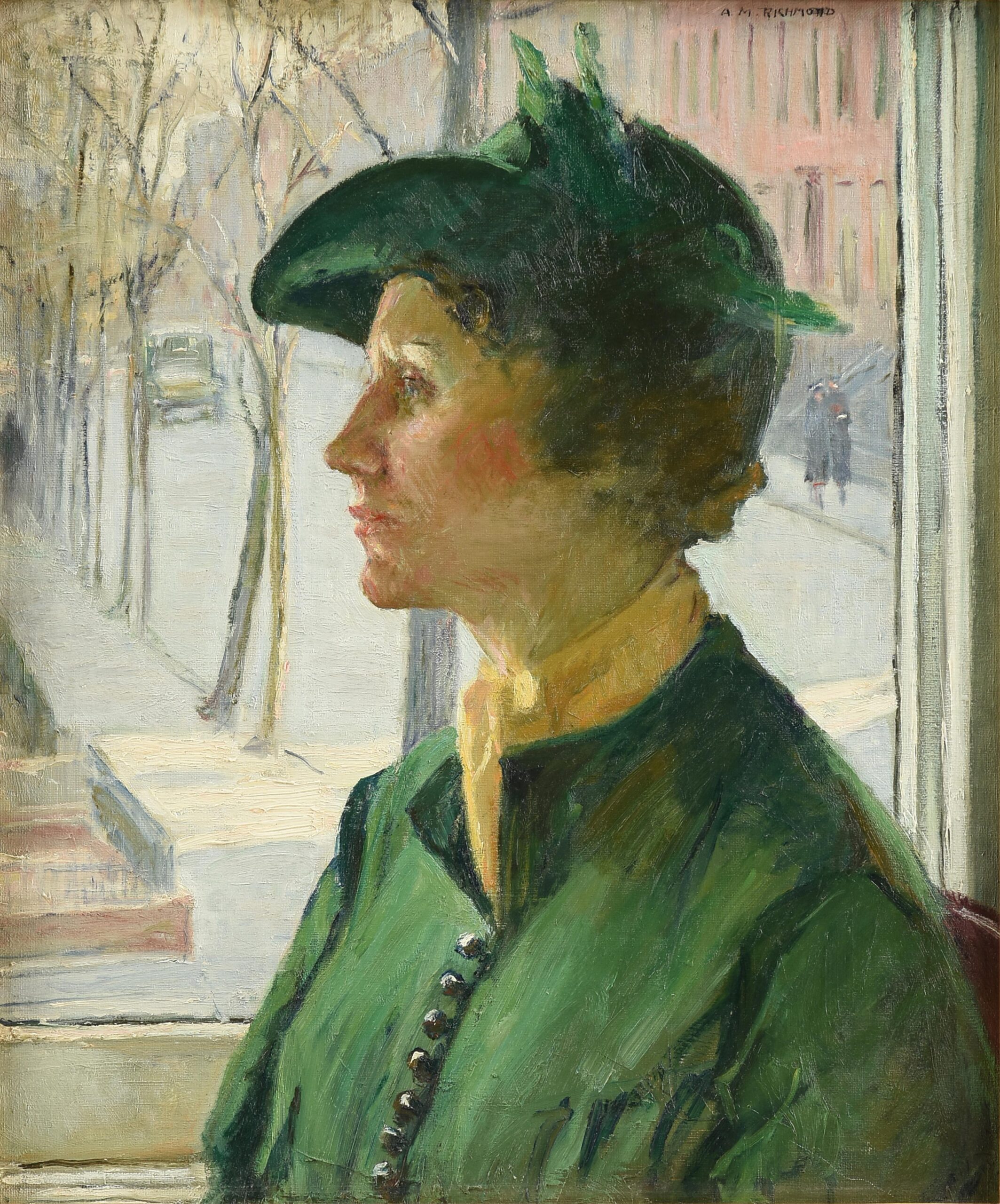
Woman in Green Hat
Agnes Millen Richmond (1870-1964), Woman in Green Hat, 1917, oil on canvas, 24 x 20 in. Huntsville Museum of Art, Gift of David Stewart, 2025.02 © Artist’s Estate
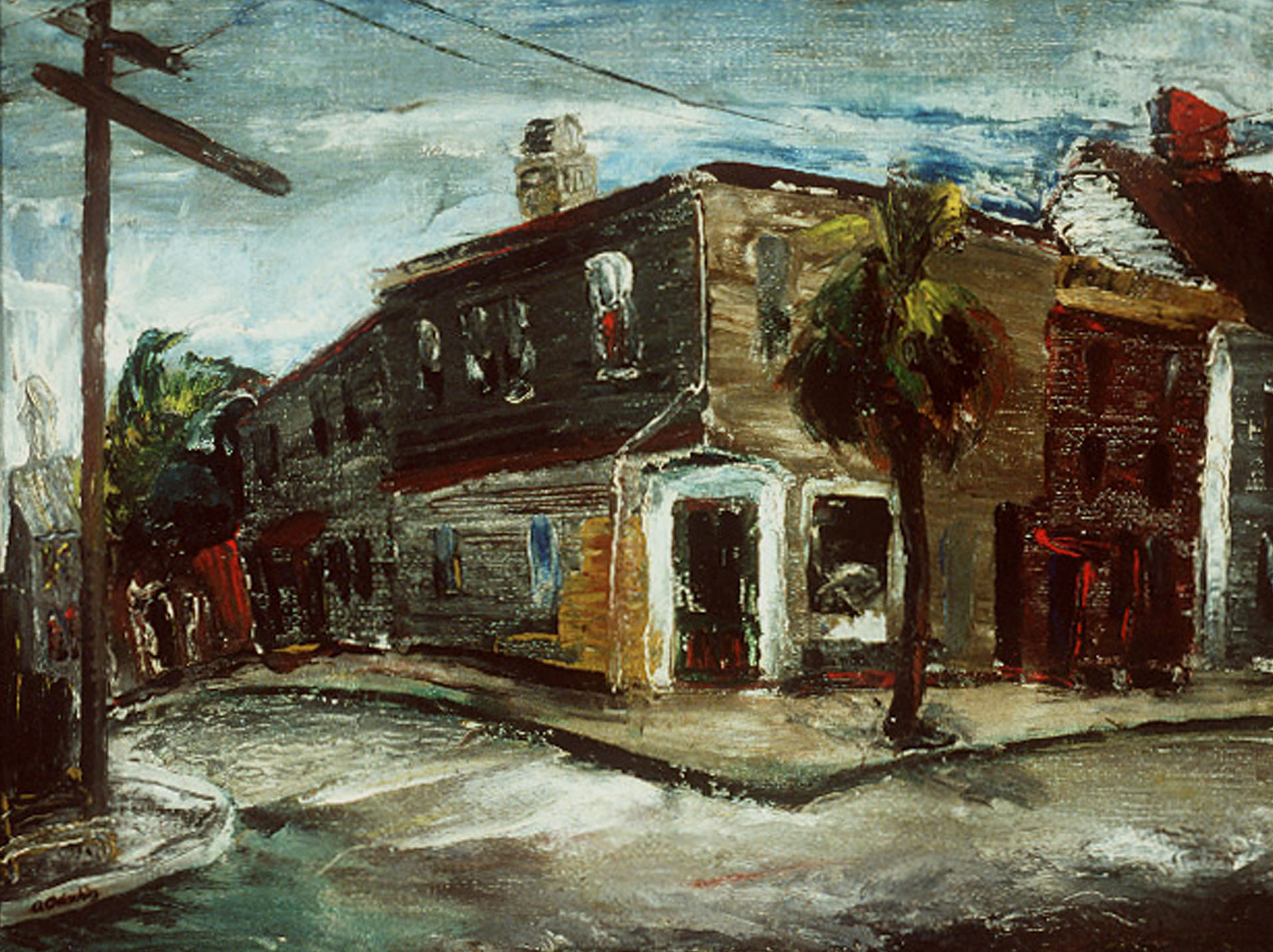
Congress and Habersham, Savannah
Augusta Oelschig (1918-2000), Congress and Habersham, Savannah, ca. 1940, oil on canvas, 18 x 24 in. Huntsville Museum Association Purchase 2008—Sellars Collection, sponsored by Dr. John Rison Jones, Jr., 2012.06 © Artist’s Estate
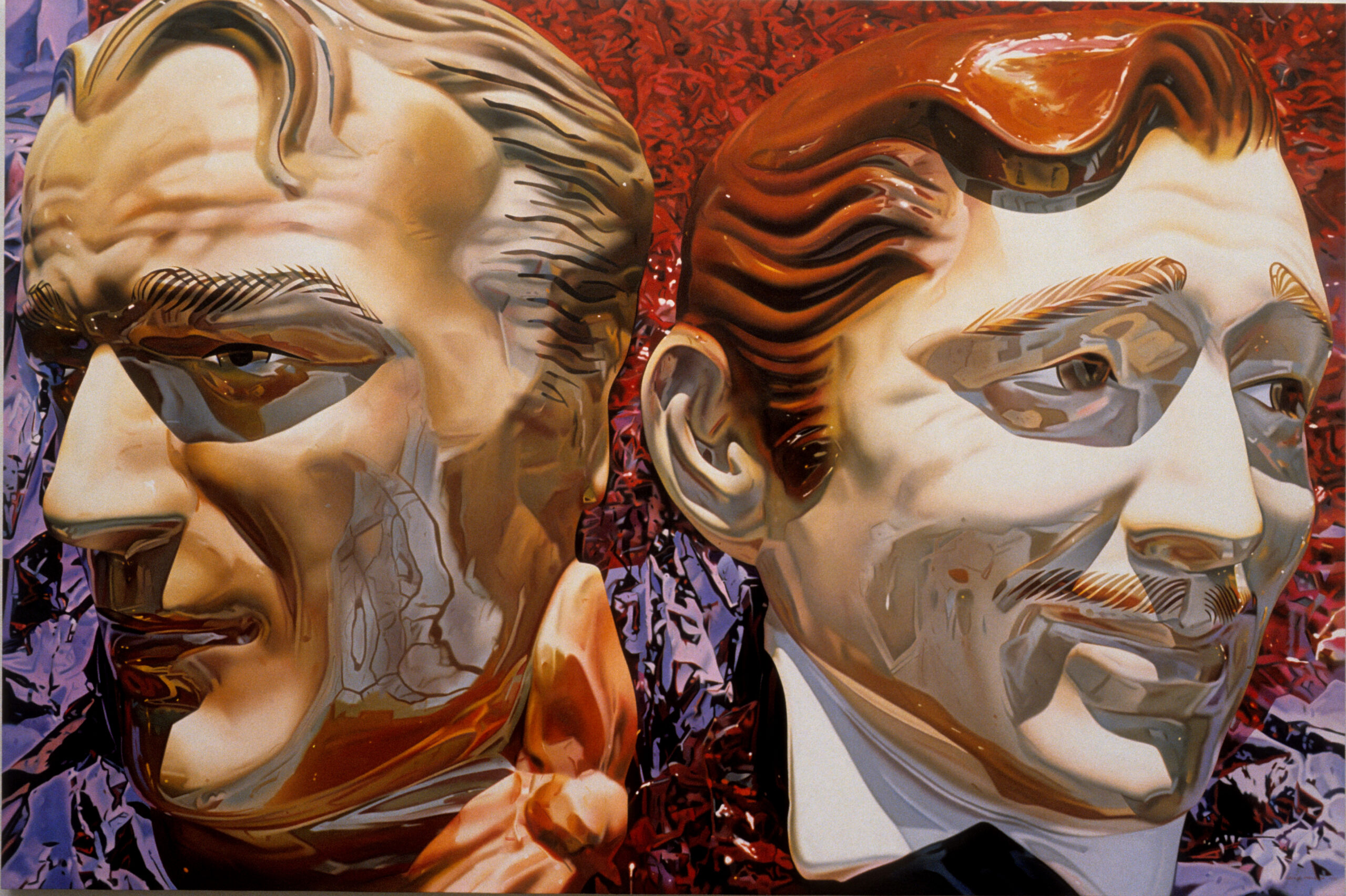
The Duke and the King
David Parrish (1939-2021), The Duke and the King, 1991, oil on canvas, 72 x 108 in. Huntsville Museum of Art, Bequest of David Parrish, 2023.07.01 © Artist’s Estate
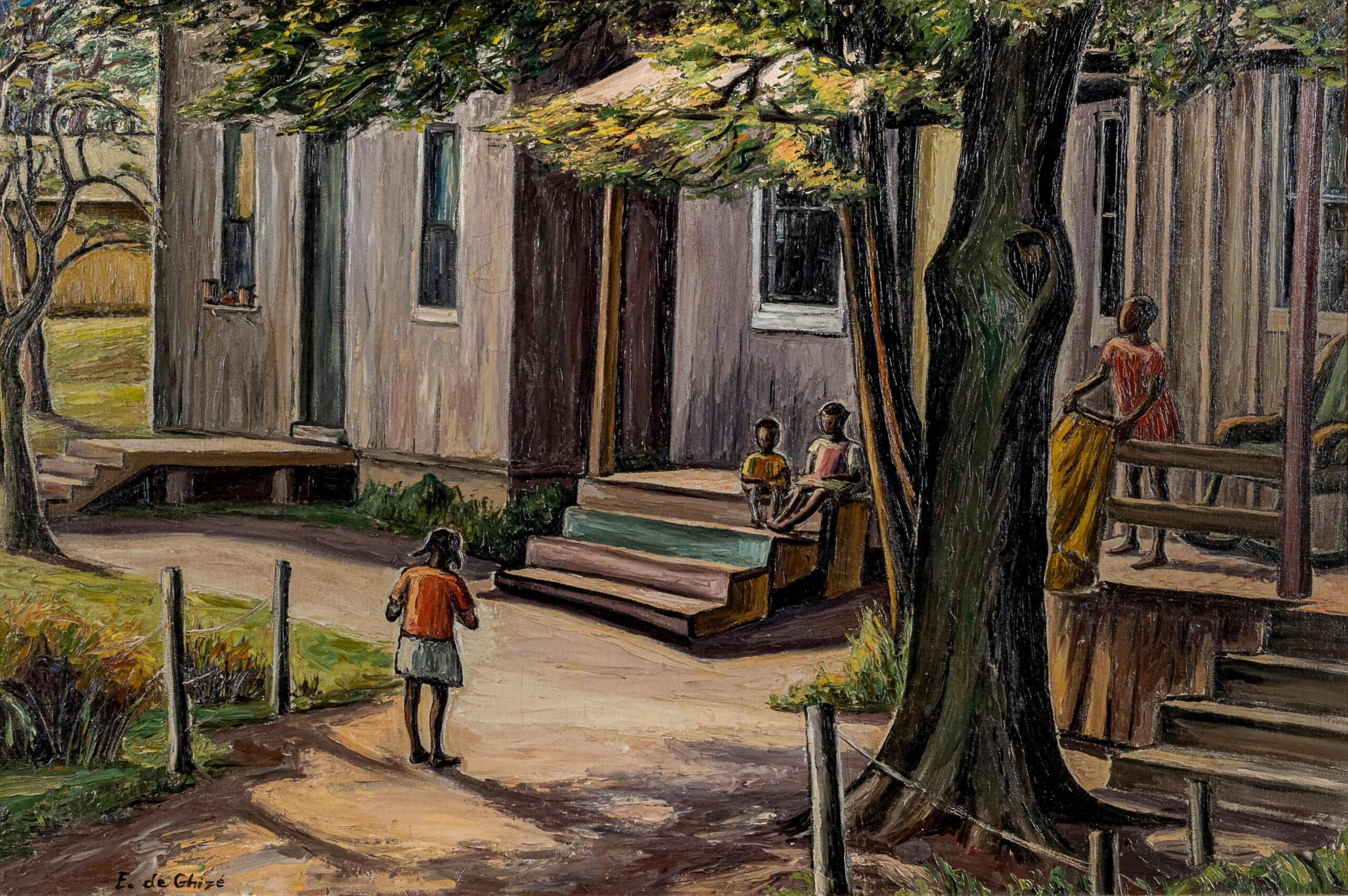
Backyards
Eleanore De Ghize (1896-1981), Backyards, ca. 1939, oil on canvas, 24 x 26 in. Huntsville Museum Association Purchase 2008—Sellars Collection, sponsored by Dr. John Rison Jones, Jr., 2010.21 © Artist’s Estate
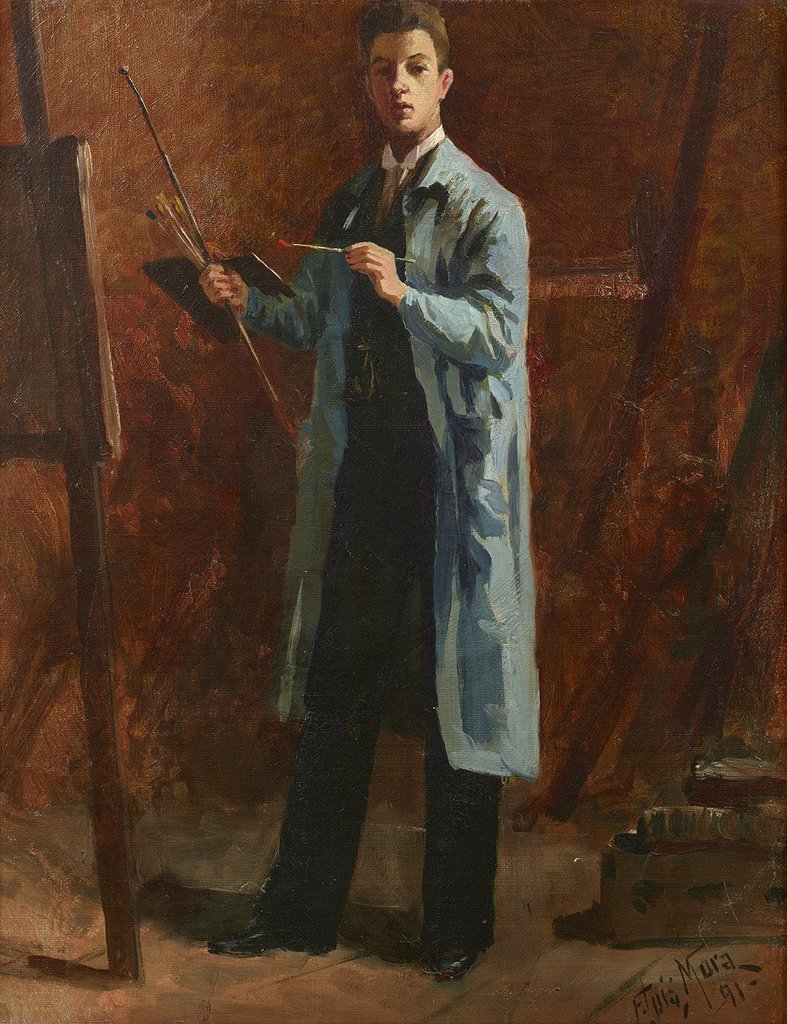
Self-Portrait at the Easel
F. Luis Mora (1874-1940), Self-Portrait at the Easel, 1891, oil on canvas, 18 1/8 x 14 1/8 in. On loan from the Thomas H. and Diane DeMell Jacobsen PhD Foundation
Organizer
This exhibition is organized by the Huntsville Museum of Art with support for Art Bridges.

Exhibition Sponsors
Presenting Sponsor:
President’s Circle:
Artist’s Circle:
Additional Support: